
Travel Smart, Stay Healthy: An Ayurvedic Guide to Safe Travel
Travelling is a wonderful way to relax, explore new places, and create lasting memories. However, changes in climate, food, sleep patterns, and daily routines can disturb the body's natural balance, leading to digestive problems, fatigue, body aches, dehydration, or even reduced immunity. Ayurveda emphasizes that maintaining one's health while travelling is just as important as enjoying the destination. Ancient Ayurvedic texts describe several habits that can aggravate the Doshas during travel, especially Vata Dosha, which naturally increases due to constant movement. By following a few simple Ayurvedic principles, travellers can remain energetic, comfortable, and healthy throughout their journey.
According to Ayurveda, a healthy journey begins long before you reach your destination. Before travelling, it is important to understand the Desha (place) you are visiting whether it is a wet land (Anupa Desha), dry land (Jangala Desha), or moderate/normal land (Sadharana Desha). The geographical characteristics of a place influence the balance of the Doshas (Vata, Pitta, and Kapha) and help you prepare your diet and lifestyle accordingly. The next important consideration is Kala (time), which refers to the season in which you plan to travel. Seasonal changes have a significant effect on the body's doshic balance, making it essential to choose appropriate foods, activities, and routines while travelling. Ayurveda also describes Ashta Mahadoshakara Bhavas—eight major factors that can aggravate the doshas during travel and disturb physical and mental well-being. These include:
- Ucchaibhashya – Speaking loudly or excessively.
- Rathakshobha – Travelling in an uncomfortable or excessively bumpy vehicle.
- Atichankramana – Excessive walking or overexertion.
- Asana – Sitting in the same posture for prolonged periods.
- Ajirna Bhojana – Eating before the previous meal has been fully digested.
- Vishama-Ahita Bhojana – Consuming foods that are unsuitable for one's Prakriti
- (individual constitution), the season (Kala), in inappropriate quantities (Matra).
- Divaswapna – Sleeping during the daytime.
- Maithuna – Excessive indulgence in sexual activity.
- Being mindful of these factors helps maintain doshic balance, supports digestion and
- immunity, and allows you to enjoy your journey with greater comfort and vitality
Excessive Talking and Shouting
Long conversations, speaking loudly, or shouting during group trips can strain the throat and increase Vata. This may result in headache, dryness of the mouth and throat, hoarseness of voice, thirst, ear discomfort, or fatigue.
Ayurvedic Tip:
- Stay well hydrated.
- Avoid unnecessary shouting.
- Rest your voice whenever possible.
- Warm herbal drinks and adequate sleep help restore balance.
Long Journeys on Rough Roads
Travelling for long hours in uncomfortable vehicles or on uneven roads may cause stiffness, joint pain, neck pain, backache, abdominal discomfort, bloating, and numbness due to aggravated Vata.
Ayurvedic Tip:
- Perform gentle stretching during breaks: neck stretches, shoulder rolls, seated spinal twists, wrist and finger stretches, ankle rotations, heel-toe exercises, knee extensions, and calf stretches can help improve blood circulation, reduce muscle stiffness, relieve back and neck discomfort, and keep the body refreshed throughout the journey.
- Gentle massage with Dhanwantharam Taila, Sahacharadi Taila, Mahanarayana Taila, or Karpooradi Taila followed by a warm bath can relieve body aches, improve circulation, reduce fatigue, and restore balance to aggravated Vata.
- Drink warm water instead of chilled beverages.
- Avoid sitting continuously for several hours.
Excessive Walking or Trekking
While walking is healthy, excessive walking during sightseeing or trekking may lead to muscle soreness, calf cramps, lower back pain, knee discomfort, and tiredness.
Ayurvedic Tip:
- Wear comfortable footwear.
- Take adequate rest between activities.
- Massage the feet with warm sesame oil after long walks.
- Stay hydrated and replenish energy with fresh fruits and light meals.
Aasana (Prolonged Sitting During Travel)
Long hours of sitting during road trips, bus journeys, biking or off-road travel aggravate Vata and may lead to pain and stiffness in the buttocks, groin and lower back.
Ayurvedic Tips
- Apply warm oils as mentioned above before or after
- travel.
- Take frequent breaks and stretch the body.
- Use warm fomentation to relieve stiffness. Carrying a reusable heat pack or portable hot water bag can provide gentle warmth to the neck, lower back, shoulders and knees during rest breaks. After reaching the destination, a warm shower or application of a warm towel over stiff areas can effectively reduce muscle tension and restore comfort.
- Prefer warm, nourishing foods and avoid continuous sitting.
Ajirna–Vishama Bhojya (Improper Eating During Travel)
Inappropriate foods during travel can impair digestion and aggravate the doshas. This may lead to indigestion, bloating, abdominal pain, nausea, diarrhoea, loss of appetite, weakness, body aches, skin problems, intestinal disturbances, piles and other Ama related disorders.
Ayurvedic Tips
- Eat only after the previous meal is properly digested.
- Avoid frequent snacking and overeating during journeys.
- Prefer fresh, warm and easily digestible foods.
- Choose foods suitable to your constitution and the season.
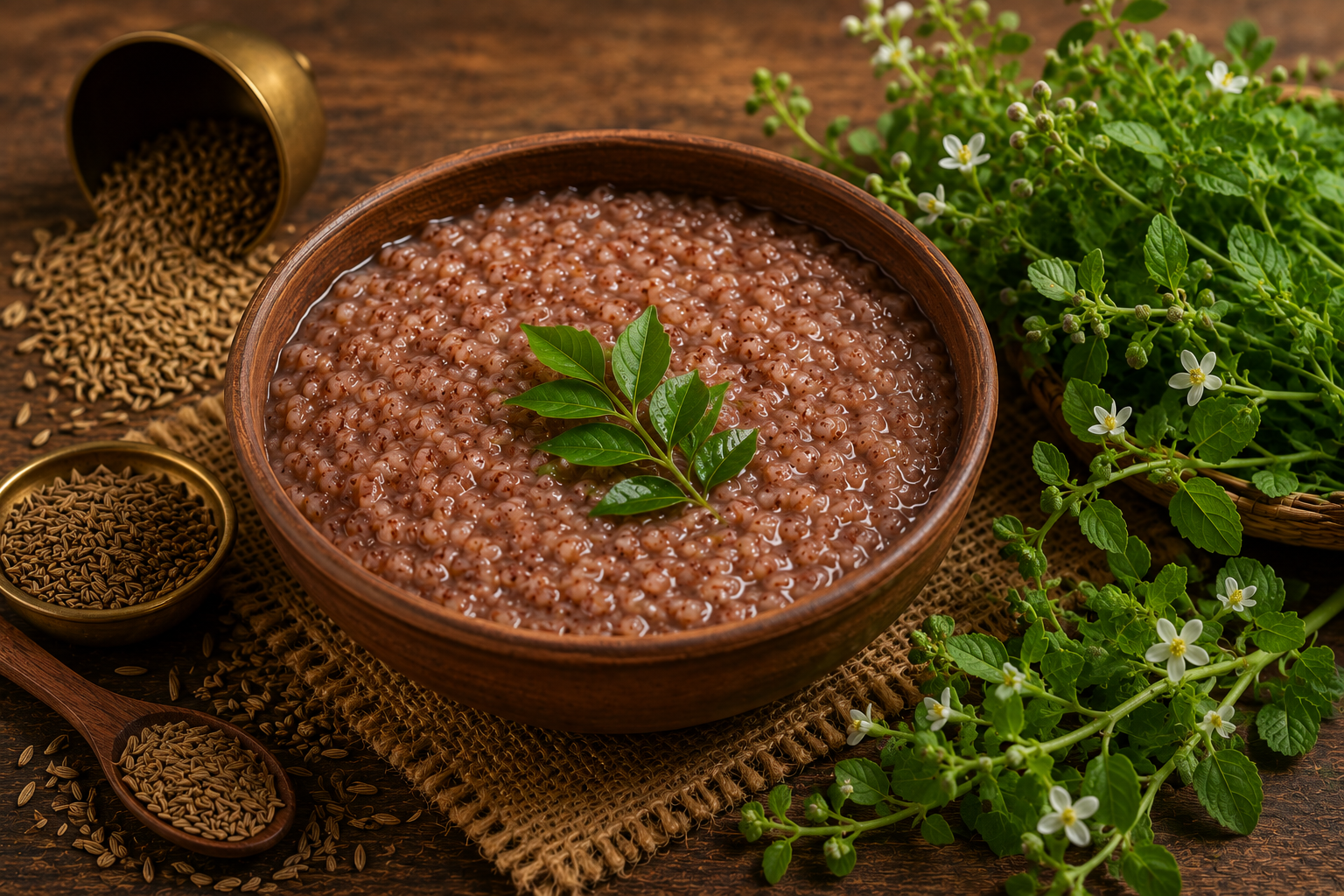
- Practice light fasting (Langhana). Start your day with a glass of warm water, optionally infused with a few drops of lemon or a small piece of ginger. Instead of complete food restriction, consume light and nourishing foods such as vegetable soup, fresh fruits, rice gruel etc.
- Consume smaller meals at regular intervals and use digestive herbs such as ginger, cumin or trikatu in case of indigestion.
- Sip warm water to support digestion.
- Keep Vilwadi tablet and Dhanwantaram tablets in your first aid kit to help protect you from food poisoning, bloating, and other abdominal discomforts. Take Dhanwantaram tablet if you experience abdominal distension, bloating, etc. If you are suffering from vomiting or diarrhoea due to food poison vilwadi tablet will help you.
Divaswapana (Excessive Daytime Sleeping During Travel)
Daytime sleeping, commonly seen in international travel due to jet lag or after taking anti-motion sickness medications, can aggravate Kapha and impair digestion. It may lead to loss of appetite, indigestion, heaviness, drowsiness, body aches, itching, skin disorders, weakness and excessive sleepiness.
Ayurvedic Tips
- Avoid prolonged daytime sleep unless medically necessary.
- Follow light fasting (Langhana) and consume light, warm foods.
- Engage in mild exercise and stretching after long journeys.
- Use digestive herbs such as ginger and trikatu to improve Agni.
- Maintain proper sleep hygiene to gradually adjust to new time zones.
Maithuna (Excessive Sexual Indulgence During Travel)
Excessive sexual activity may lead to depletion of Dhatus and Ojas, aggravating Vata and causing fatigue and lowered immunity. Symptoms may include generalized weakness, body pain, palpitations, joint pain, low back pain, swelling of testes, urinary difficulties.
Ayurvedic Tips
- Practice moderation and allow adequate rest during travel.
- Consume nourishing and rejuvenating foods such as milk, ghee, dates and nuts
- (Vrishya Ahara).
- Regular oil massage (Abhyanga) and mild sudation (Swedana) help pacify Vata.
- Use Rasayana and Jeevaniya preparations under Ayurvedic guidance to restore
- vitality.
- Seek medical advice if symptoms such as urinary difficulty, severe weakness or
- persistent pain develop.
Simple Ayurvedic practices can greatly improve travel comfort:
- Carry a reusable water bottle and stay hydrated.
- Eat at regular intervals.
- Practice deep breathing or meditation to reduce travel stress.
- Stretch your neck, shoulders, and legs during long journeys.
- Carry simple Ayurvedic remedies as advised by your physician.
- Avoid suppressing natural urges such as hunger, thirst, urination, or bowel movements.
- Maintain proper sleep and wake times whenever possible
Travelling should refresh the body, inspire the mind, and create joyful memories not leave you feeling exhausted or unwell. By combining sensible travel precautions with the timeless wisdom of Ayurveda, you can reduce common travel-related health problems and make your holiday healthier and more enjoyable. Pack wisely, eat mindfully, stay hydrated, and let Ayurveda be your trusted travel companion wherever your journey takes you.