Nourish, cleanse, and rejuvenate this monsoon with the traditional Karkidaka Kanji
Malayalam month of Karkidakam marks the peak of the monsoon season in Kerala. Month of Karkidakam starts on July 17 and ends on August 16.While the rains bring freshness and greenery to nature, this season is also associated with an increased occurrence of various health problems. The high humidity, reduced sunlight, contaminated water sources, and rise in mosquitoes create favorable conditions for infectious diseases, allergies, fevers, and water-borne illnesses.
According to Ayurveda, this seasonal susceptibility to diseases is primarily due to the weakening of the body's Agni (digestive fire) and a decline in overall physical strength (Bala) and immunity during the monsoon. Although the cool weather and continuous rains may make us feel hungry more often, our digestive system is actually functioning at a lower capacity. Improper food habits during this period can further aggravate digestive disturbances and reduce resistance to diseases.
Recognizing these seasonal changes, Ayurveda recommends Karkidaka Chikitsa, a regimen aimed at rejuvenating the body, improving digestion, enhancing immunity, and preparing the body to withstand seasonal ailments. Depending on an individual's constitution and health status, various external therapies such as Abhyanga (oil massage), medicated kizhi therapies, steam treatments, and rejuvenative procedures are advised during this period.
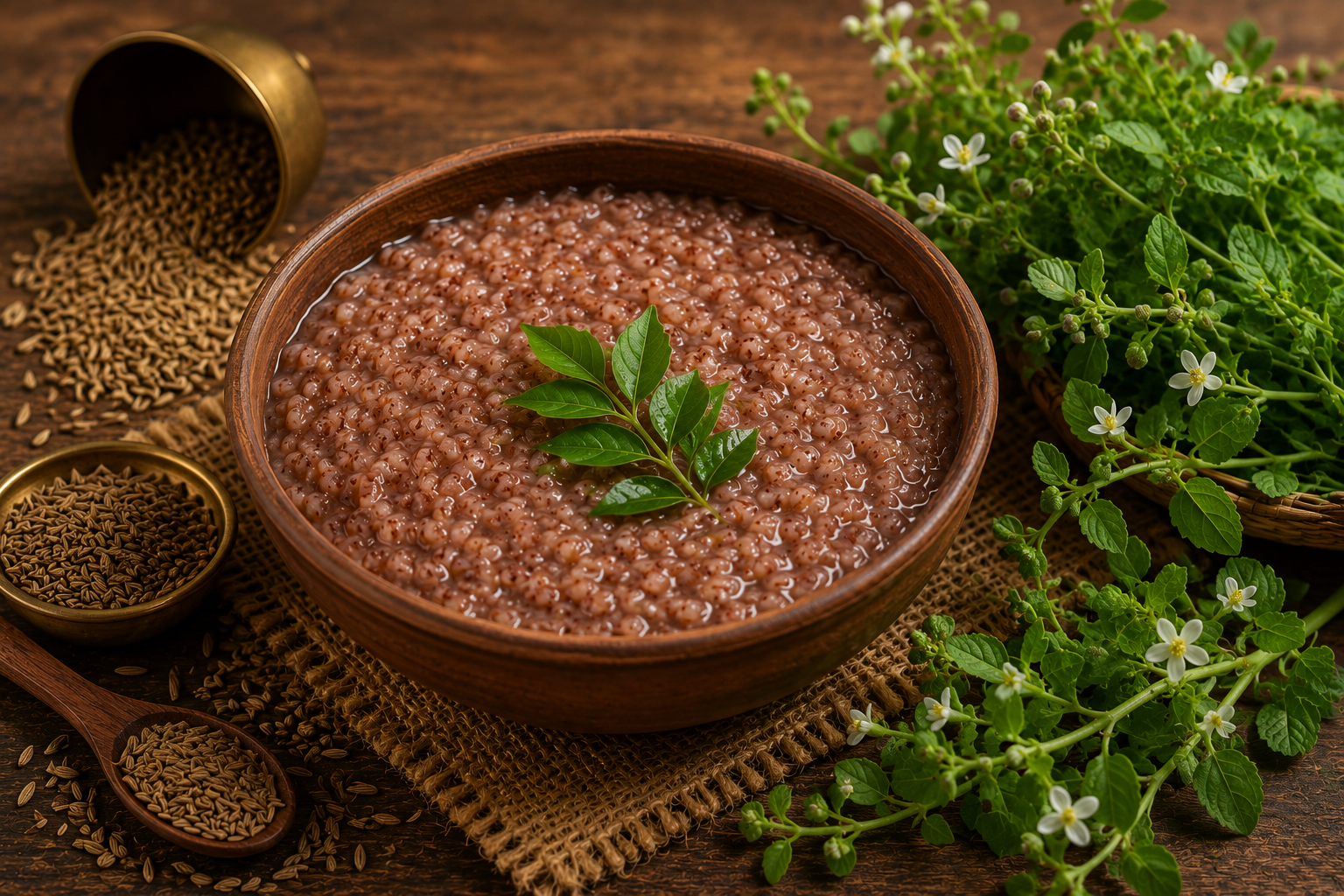
Among the internal rejuvenative measures, Karkidaka Kanji and Patthila Toran holds a special place in Kerala's Ayurvedic tradition. Karkidaka Kanji is a medicated rice gruel prepared with rice, pulses, herbs, and spices carefully selected for their digestive and strengthening properties. Being light and easy to digest, it provides nourishment without overburdening the weakened digestive system.
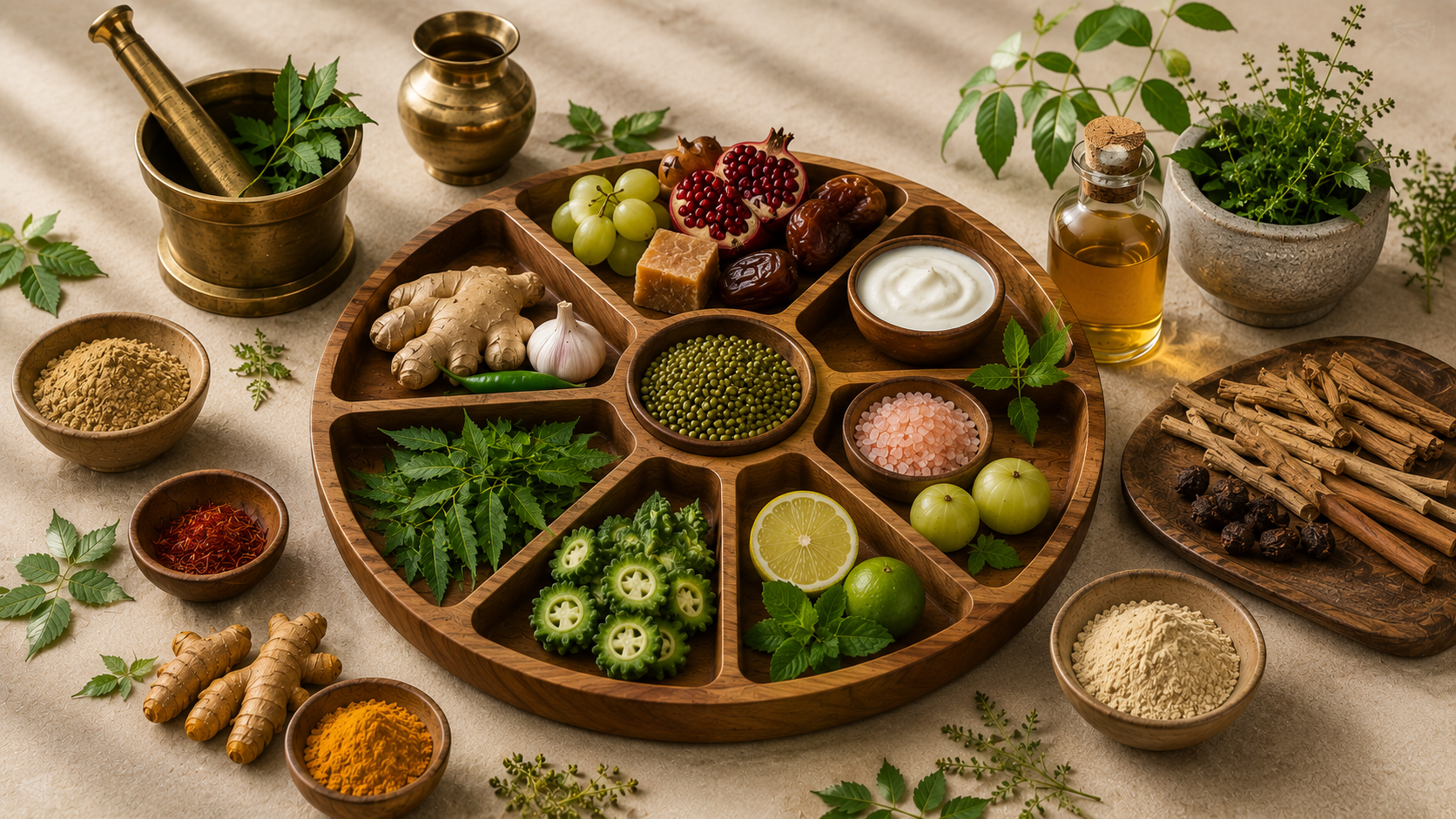
Patthila Thoran, meaning "the stir-fry of ten leaves," is a traditional Kerala preparation especially consumed during the Malayalam month of Karkidakam. It is prepared using ten medicinal leafy vegetables, namely Punarnava (Tazhutama), Aluki (Chembu), Surana (Chena), Rajamasha (Kaatuzhunnu), Kushmanda (Kumbalam), Kushmandi (Mathan), Sivalingi (Neyyunni), Vrschikali (Kodithoova), Cakramarda (Takara), and Tanduliyaka (mullan cheera).
The herbs and ingredients used in this traditional preparation help stimulate digestion, support immunity, improve strength, and promote overall well-being during the rainy season. It is not merely a food item but a seasonal health practice that aligns the body with nature's rhythms.
More than just a monsoon delicacy, Karkidaka Kanji represents Kerala's age-old wisdom of preventive healthcare, where food itself becomes medicine. Passed down through generations, this tradition reflects a holistic lifestyle that emphasizes seasonal awareness, local ingredients, and the importance of maintaining balance between the body and the environment.
As the monsoon showers nourish the earth, Karkidaka Kanji serves as a gentle reminder to nourish ourselves from within strengthening our digestion, restoring vitality, and embracing the healing principles of Ayurveda.
Recipe of Karkidaka Kanji
Ingredients
- Njavara rice – 100-200 grams
- Uluva (Fenugreek) – 1 tablespoon
- Aashali (Halim seeds)– 1 tablespoon
- Jeerakam (Cumin seeds)- 1 teaspoon
- Chukku (Dry ginger powder) -1/4 teaspoon
- Kurumulaku ( Pepper powder) – ¼ teaspoon
- Coconut milk – 1 cup
- Jaggery – according to taste
- Water – about 2 Liters
- Kashaya drugs (Dasapushpa) – 60 grams
- Mukkutti (Biophytum sensitivum)
- Niappana ( Curculigo orchiodes)
- Thiruthali (Ipomoea sepiaria)
- Uzhinja (Cardiospermum halicacabum)
- Kayyonni (Eclipta alba)
- Vishnukranthi (Evolvulus alsinoides)
- Cheroola (Aerva lanata)
- Muyalcheviyan (Emilia sonchifolia)
- Karuka (Cynodon dactylon)
- Poovamkurunnila (Vernonia cinerea)
Dasamoola
- Bilva (Aegle marmelos)
- Agnimantha (Clerodendrum phlomidis)
- Shyonaka (Oroxylum indicum)
- Patala (Stereospermum suaveolens)
- Gambhari (Gmelina arborea)
- Shalaparni (Desmodium gangeticum)
- Prishnaparni (Uraria picta)
- Brihati (Solanum indicum)
- Kantakari (Solanum xanthocarpum)
- Gokshura (Tribulus terrestris)
- Tazhutama (Boerhavia diffusa)
- Keezharnelli (Phyllanthus amarus)
- Kurunthotti (Sida cordifolia)
- Cherukadaladi (Cyathula prostata)
Method of Preparation
To prepare Karkidaka Kanji, first make a herbal decoction (Kashayam) by taking approximately 60 g of medicinal herbs. Traditionally, the herbs may be selected from the Dashamoola group, Dashapushpam, and other locally available medicinal plants such as Thazhuthama (Punarnava), Kurunthotti (Bala), and Keezhar Nelli (Bhumyamalaki). If all these groups of herbs are available, they may be used together. However, if some herbs are not readily available, the decoction can be prepared using whichever of these traditional herbs are accessible. Boil the herbs in 2 litres of water and reduce the volume to 1 litre. Strain the decoction and set it aside. Add Njavara rice, fenugreek (Uluva), and garden cress seeds (Aasali) to the prepared decoction and cook until the rice becomes soft. Once the rice is fully cooked, add a powdered mixture of cumin (Jeerakam), dry ginger (Chukku) and black pepper (Kurumulaku). Sweeten the Kanji with jaggery according to taste. Finally, remove it from the heat and stir in fresh coconut milk as desired. Serve the Kanji warm for the best taste and traditional seasonal benefits.
How to Use Karkidaka Kanji
- It is ideally taken as an evening meal, but may also be enjoyed as breakfast.
- For the best results, consume it warm and freshly prepared.
- It is recommended to take the Kanji for a minimum of 7 days, while many people continue the regimen for 14, 21, or 28 days, or throughout the month of Karkidakam.
- During the regimen, choose a light, easily digestible diet and avoid heavy, fried, or oily foods.
- Individuals with conditions such as arthritis, diabetes, respiratory disorders, or skin diseases should seek guidance from a qualified Ayurvedic physician, as the herbal ingredients may need to be tailored according to their constitution and health needs.
Health Benefits of Karkidaka Kanji
- The herbal ingredients and medicinal rice help strengthen the body's natural defense mechanisms, making it more resistant to seasonal infections, colds, and fevers.
- Helps in better digestion and metabolism. Spices such as cumin, ginger, and fenugreek aid in reducing indigestion and bloating.
- Many herbs used in the preparation possess Vata-pacifying and anti-inflammatory properties, helping reduce joint stiffness, body aches, and muscle fatigue commonly experienced during rainy seasons.
- Njavara rice and coconut milk nourish the tissues (Dhatus) and improve strength, vitality, and stamina.
- Easily digestible nature of the porridge soothes the gastrointestinal tract and supports healthy bowel function.