
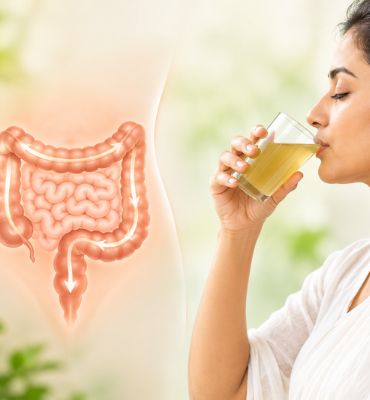
Virechana
Virechana is one of the five main cleansing therapies of Panchakarma in Ayurveda.
Virechana is one of the five main cleansing therapies of Panchakarma in Ayurveda. It is a supervised, medicated purgation that clears excess **Pitta dosha**, along with accumulated toxins , from the body through the bowels. Pitta is the principle linked with heat, digestion and metabolism.
Virechana is not an ordinary laxative course. It is a planned, stepwise treatment in which the body is prepared beforehand, cleansed under observation, and then gently rebuilt afterwards.
Steps of Virechana
1. Preparation (Purva Karma)
- The physician checks your constitution, digestion, strength and health history to confirm you are suitable for the therapy.
- Digestive correction: Light foods and mild herbs are given for a few days to kindle digestion and start loosening toxins.
- Internal oleation (Snehapana): Medicated ghee is taken in gradually increasing doses, usually for 3 to 7 days, until the body shows signs of being well lubricated. This draws toxins from the tissues toward the digestive tract.
- External oleation and steam (Abhyanga and Swedana): For 1 to 3 days, a full-body oil massage followed by herbal steam further softens and mobilises toxins. A light, easily digested diet is followed.
2. The Main Procedure (Pradhana Karma)
- On the morning of treatment, a suitable herbal purgative is given on an empty stomach. The choice depends on your constitution, the season and your bowel type.
- You rest quietly and drink warm water as advised.
- The physician monitors the number of motions, their character, and your comfort and vitals. Cleansing is judged complete from the pattern of the motions and how you feel, ending with the passage of Kapha-type mucus, which signals the process is finishing.
3. Post-Treatment Care (Paschat Karma)
- Physical and mental rest, warm surroundings, and avoiding cold drafts, heavy exertion and late nights.
- Graded diet (Samsarjana Krama):Digestion is gently restarted over about 3 to 7 days, progressing from thin rice gruel to thicker gruel, then soft rice with light lentil soup, and finally normal food. This is a key part of the therapy, not an optional extra.
- Follow-up:Medicines or lifestyle advice may be given to consolidate the results.
Benefits
- Removes excess Pitta and accumulated toxins from the system
- Improves digestion, appetite and bowel regularity
- Helps skin clarity and reduces inflammatory skin conditions
- Eases acidity, heaviness and burning sensations
- Supports liver and gallbladder function
- Brings a feeling of lightness, mental clarity and improved energy
- Prepares the body for further therapies or rejuvenation treatments
Indications
Virechana may be advised, after examination, for conditions with Pitta or combined Pitta-Kapha involvement, such as:
- Chronic skin disorders (psoriasis, eczema, urticaria, acne, chronic itching)
- Hyperacidity and gastritis
- Chronic constipation and sluggish digestion
- Recurrent Pitta-type headaches and migraine
- Gout and certain inflammatory joint conditions
- Certain gynaecological conditions with a Pitta component
Contraindications
- Pregnancy and the postpartum period
- Severe weakness, emaciation or exhaustion
- Acute fever, diarrhoea or dysentery
- Rectal prolapse, or recent bowel or abdominal surgery
- Active gastrointestinal ulceration or bleeding.
- Dehydration, or an already loose stomach
- During menstruation (unless specifically advised)
- Cases where the body has not been properly prepared
Important Note
Virechana should be done only at a qualified Ayurvedic centre under the guidance of a trained physician. The medicines, doses and duration are always tailored to the individual. It is not suitable for self-treatment, and the information here is educational and not a substitute for personal medical advice.